Mobile UI Design
Bold and Playful Mobile UI for Applications
Mobile UI Design

Dark Mode UI for Music Streaming and Audio Content Platforms
Category:
File format:
Style:
Delivery time:
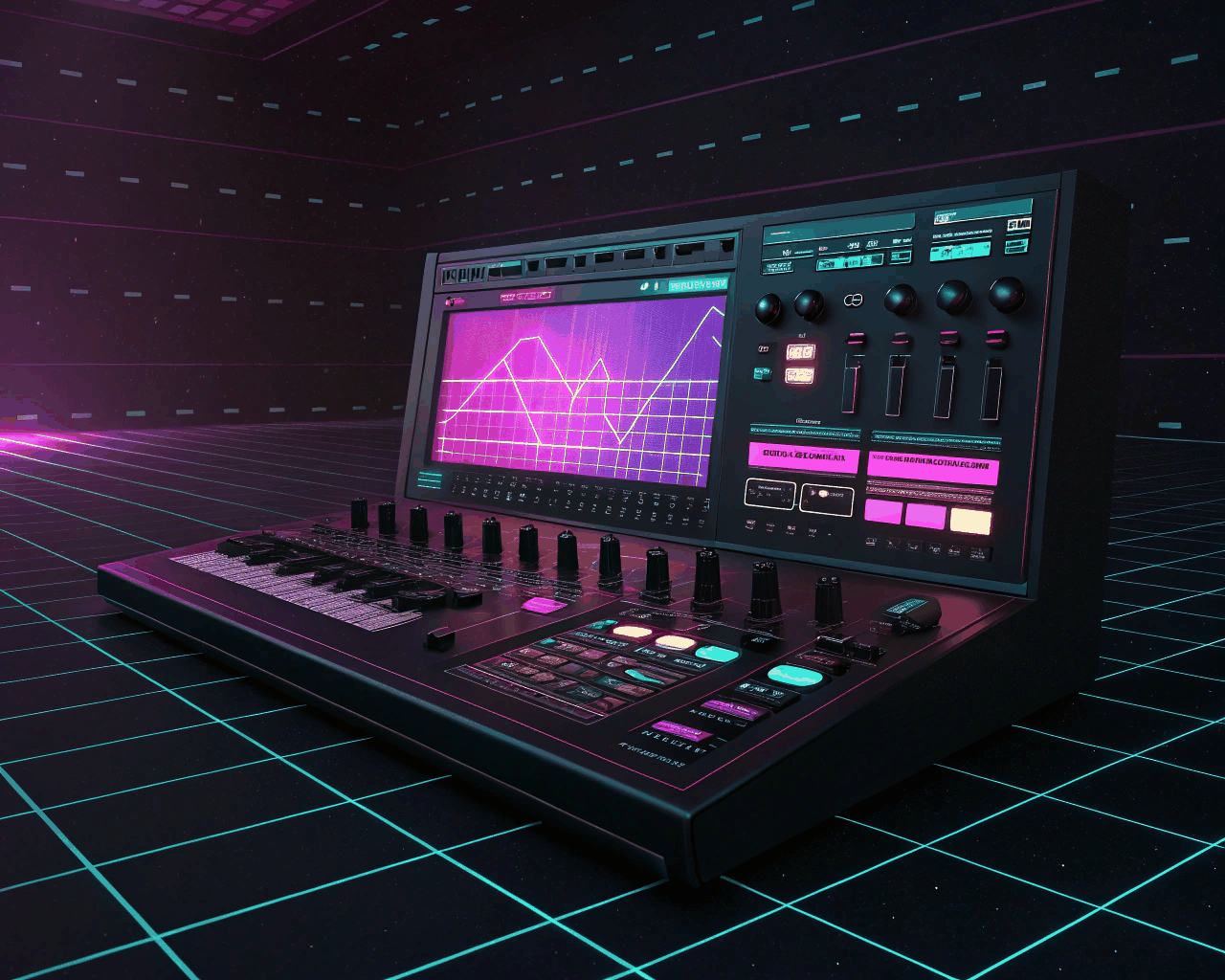
Listening to music or podcasts often happens in low-light environments, making a thoughtful dark mode essential, not just an alternative. I design mobile interfaces for audio apps where the dark theme is the primary, considered experience. It focuses on reducing eye strain while using color and contrast to highlight album art, play controls and your content library.
You’ll get a complete set of core screens designed in a deep, true dark theme, not just a gray inversion. This includes the library view, now playing screen with animated progress elements, search, and user profiles. Crucially, I also design a coordinated light mode version to ensure consistency across both user preferences. The delivery is a Figma file with both themes clearly organized using styles and variables, plus an interactive prototype to demonstrate player controls like scrubbing through a track or creating a playlist.
Good dark UI design uses contrast strategically. Pure white text on pure black creates harsh vibrations, so I use dark gray backgrounds and off-white text for better readability. Album art and key actions like the play button become vibrant focal points. The layout takes cues from the spatial efficiency of apps like Spotify and Pocket Casts, ensuring controls are reachable and the information hierarchy is maintained without relying on bright backgrounds.
I pay close attention to interactive states in a dark theme. What does a pressed button look like? How is a selected song row indicated? These states use subtle changes in opacity or accent color glows to remain clear. The design system is built for your developers to implement both themes smoothly. With a background that includes UI work for two podcast networks and a music discovery startup, I understand the unique patterns of audio consumption. This service benefits music streaming services, podcast apps, audiobook platforms and any application where extended listening in various lighting conditions is a core use case.
€80.00
Mobile UI Design
Mobile UI Design

Mobile UI Design
Mobile UI Design
Mobile UI Design
Mobile UI Design
Mobile UI Design
Mobile UI Design
Mobile UI Design
Listening to music or podcasts often happens in low-light environments, making a thoughtful dark mode essential, not just an alternative. I design mobile interfaces for audio apps where the dark theme is the primary, considered experience. It focuses on reducing eye strain while using color and contrast to highlight album art, play controls and your content library.
You’ll get a complete set of core screens designed in a deep, true dark theme, not just a gray inversion. This includes the library view, now playing screen with animated progress elements, search, and user profiles. Crucially, I also design a coordinated light mode version to ensure consistency across both user preferences. The delivery is a Figma file with both themes clearly organized using styles and variables, plus an interactive prototype to demonstrate player controls like scrubbing through a track or creating a playlist.
Good dark UI design uses contrast strategically. Pure white text on pure black creates harsh vibrations, so I use dark gray backgrounds and off-white text for better readability. Album art and key actions like the play button become vibrant focal points. The layout takes cues from the spatial efficiency of apps like Spotify and Pocket Casts, ensuring controls are reachable and the information hierarchy is maintained without relying on bright backgrounds.
I pay close attention to interactive states in a dark theme. What does a pressed button look like? How is a selected song row indicated? These states use subtle changes in opacity or accent color glows to remain clear. The design system is built for your developers to implement both themes smoothly. With a background that includes UI work for two podcast networks and a music discovery startup, I understand the unique patterns of audio consumption. This service benefits music streaming services, podcast apps, audiobook platforms and any application where extended listening in various lighting conditions is a core use case.