

VFX / Compositing
Stylized 2.5D Motion Graphics Compositing for Music Videos
VFX / Compositing

Environmental Haze, Fog & Atmosphere Depth Compositing
Category:
File format:
Style:
Delivery time:
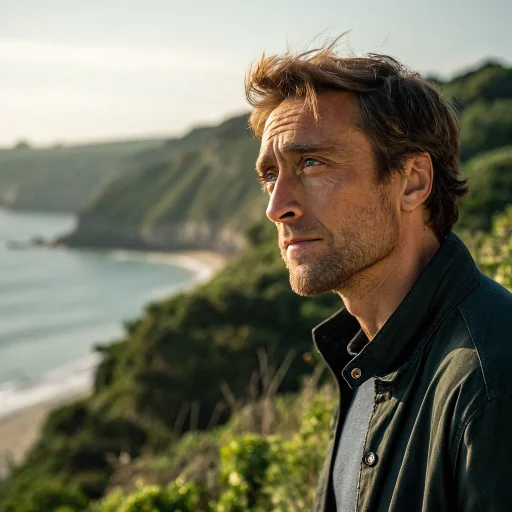
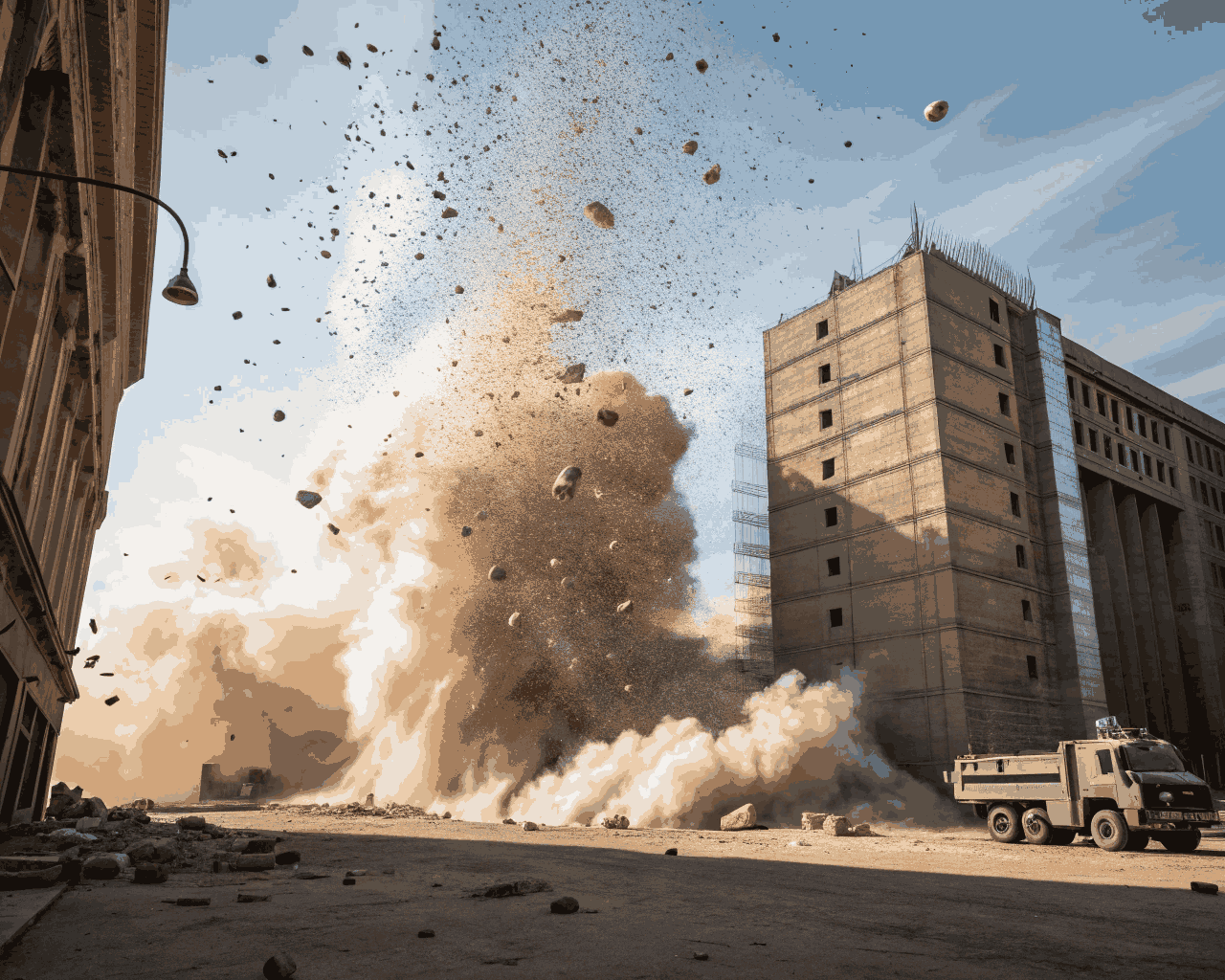
Flat footage often lacks depth. I composite custom atmospheric elements like volumetric fog, mist, distant haze or dust particles to add mood, scale and a sense of space to your landscape or interior shots. This isn’t just a filter; it’s a 3D-aware composite that respects the scene’s depth map. You receive the graded shot with integrated atmosphere. I also provide the layered EXR sequence containing the depth pass, the volumetric render and the final composite, allowing for precise adjustments to fog density or color in the future. If needed, I can supply the After Effects project with the camera data and depth setup. The work involves creating or sourcing realistic volumetric assets, then using the shot’s depth information to grade the fog’s density so it naturally thickens with distance. Light rays breaking through windows or forest canopies are integrated by matching the direction of the practical light sources in the plate. This technique benefits cinematic directors, architectural visualizers and nature documentary editors looking to enhance the visual storytelling and photorealism of their scenes by guiding the viewer’s eye and reinforcing the environment’s scale.
€20.00
VFX / Compositing

VFX / Compositing

VFX / Compositing

VFX / Compositing

VFX / Compositing

VFX / Compositing
VFX / Compositing

VFX / Compositing

VFX / Compositing
Flat footage often lacks depth. I composite custom atmospheric elements like volumetric fog, mist, distant haze or dust particles to add mood, scale and a sense of space to your landscape or interior shots. This isn’t just a filter; it’s a 3D-aware composite that respects the scene’s depth map. You receive the graded shot with integrated atmosphere. I also provide the layered EXR sequence containing the depth pass, the volumetric render and the final composite, allowing for precise adjustments to fog density or color in the future. If needed, I can supply the After Effects project with the camera data and depth setup. The work involves creating or sourcing realistic volumetric assets, then using the shot’s depth information to grade the fog’s density so it naturally thickens with distance. Light rays breaking through windows or forest canopies are integrated by matching the direction of the practical light sources in the plate. This technique benefits cinematic directors, architectural visualizers and nature documentary editors looking to enhance the visual storytelling and photorealism of their scenes by guiding the viewer’s eye and reinforcing the environment’s scale.