



Realistic Industrial Props & Machinery for Enterprise AR Training
Category:
AR/VR Assets
File format:
FBX, GLTF, OBJ, USDZ
Style:
Realistic
Delivery time:
7+ days
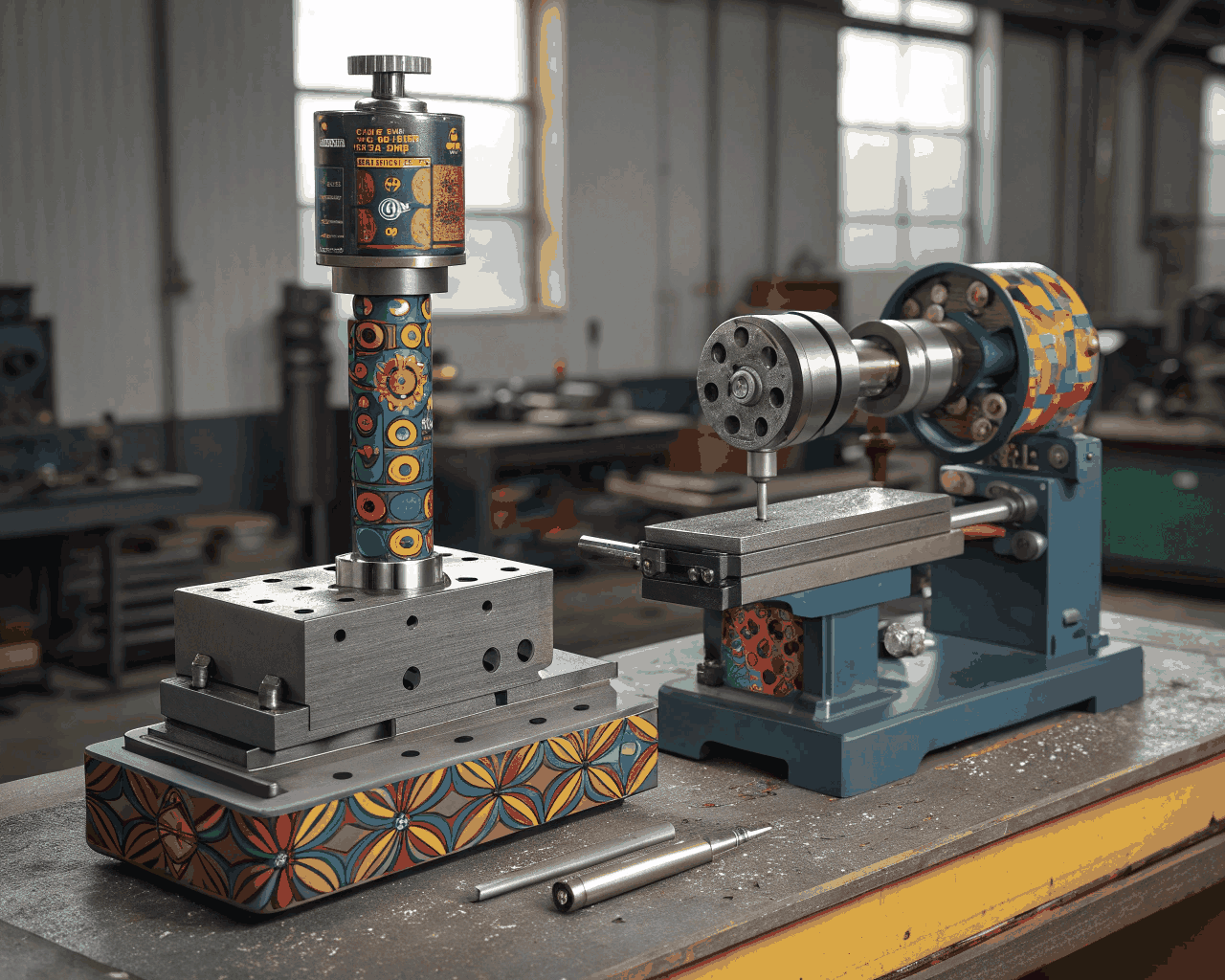
My focus is on creating accurate, dimensionally correct 3D models of industrial equipment for augmented reality training simulations. When a technician needs to learn a maintenance procedure, seeing a photorealistic model of the actual valve, pump or control panel overlaid in their real workspace is far more effective than a diagram. I model from technical schematics, manufacturer photos and, when possible, physical reference to ensure every bolt, lever and label is where it should be.
The deliverable is a set of high-fidelity, textured industrial props. A typical order includes the primary machine asset, its key interactive components as separate objects and common tools used for its operation or maintenance. All models are PBR textured with roughness and metallic maps to react correctly to real-world lighting in your AR environment. I provide files in USDZ for native iOS AR, glTF for cross-platform web AR, and FBX or OBJ for integration into game engines like Unity or Unreal. LODs are included for complex machinery to maintain performance on mobile devices.
This realism is not just visual—it’s functional. The model’s scale and component layout must match the real equipment to build accurate muscle memory and spatial understanding. I’ve worked with safety trainers in the energy and manufacturing sectors, where a mistake in virtual training is a safe lesson learned. The goal is to reduce cognitive load during real-world tasks because the equipment already looks familiar. Think of the clarity found in technical manuals from companies like Siemens or Bosch, translated into an interactive 3D object.
This service is designed for corporate training departments, safety officers and software developers building enterprise AR applications. It helps bridge the gap between classroom instruction and hands-on work with expensive or hazardous machinery. I typically request reference images, technical drawings and a clear outline of which parts need to be interactive to ensure the final assets meet your specific training objectives.
€50.00
Comments
Discover the similar products

AR/VR Assets
Stylized Virtual Home Furniture Set for Social VR
AR/VR Assets

My focus is on creating accurate, dimensionally correct 3D models of industrial equipment for augmented reality training simulations. When a technician needs to learn a maintenance procedure, seeing a photorealistic model of the actual valve, pump or control panel overlaid in their real workspace is far more effective than a diagram. I model from technical schematics, manufacturer photos and, when possible, physical reference to ensure every bolt, lever and label is where it should be.
The deliverable is a set of high-fidelity, textured industrial props. A typical order includes the primary machine asset, its key interactive components as separate objects and common tools used for its operation or maintenance. All models are PBR textured with roughness and metallic maps to react correctly to real-world lighting in your AR environment. I provide files in USDZ for native iOS AR, glTF for cross-platform web AR, and FBX or OBJ for integration into game engines like Unity or Unreal. LODs are included for complex machinery to maintain performance on mobile devices.
This realism is not just visual—it’s functional. The model’s scale and component layout must match the real equipment to build accurate muscle memory and spatial understanding. I’ve worked with safety trainers in the energy and manufacturing sectors, where a mistake in virtual training is a safe lesson learned. The goal is to reduce cognitive load during real-world tasks because the equipment already looks familiar. Think of the clarity found in technical manuals from companies like Siemens or Bosch, translated into an interactive 3D object.
This service is designed for corporate training departments, safety officers and software developers building enterprise AR applications. It helps bridge the gap between classroom instruction and hands-on work with expensive or hazardous machinery. I typically request reference images, technical drawings and a clear outline of which parts need to be interactive to ensure the final assets meet your specific training objectives.